


Whether you’re purchasing lunch from the Gator Cafe, or donating a dollar to wear sweans in contribution to Xavier’s charities, finances are incorporated into daily life – even at Xavier. Learning to manage and spend smartly is a valuable skill that students can begin developing before they even leave high school.
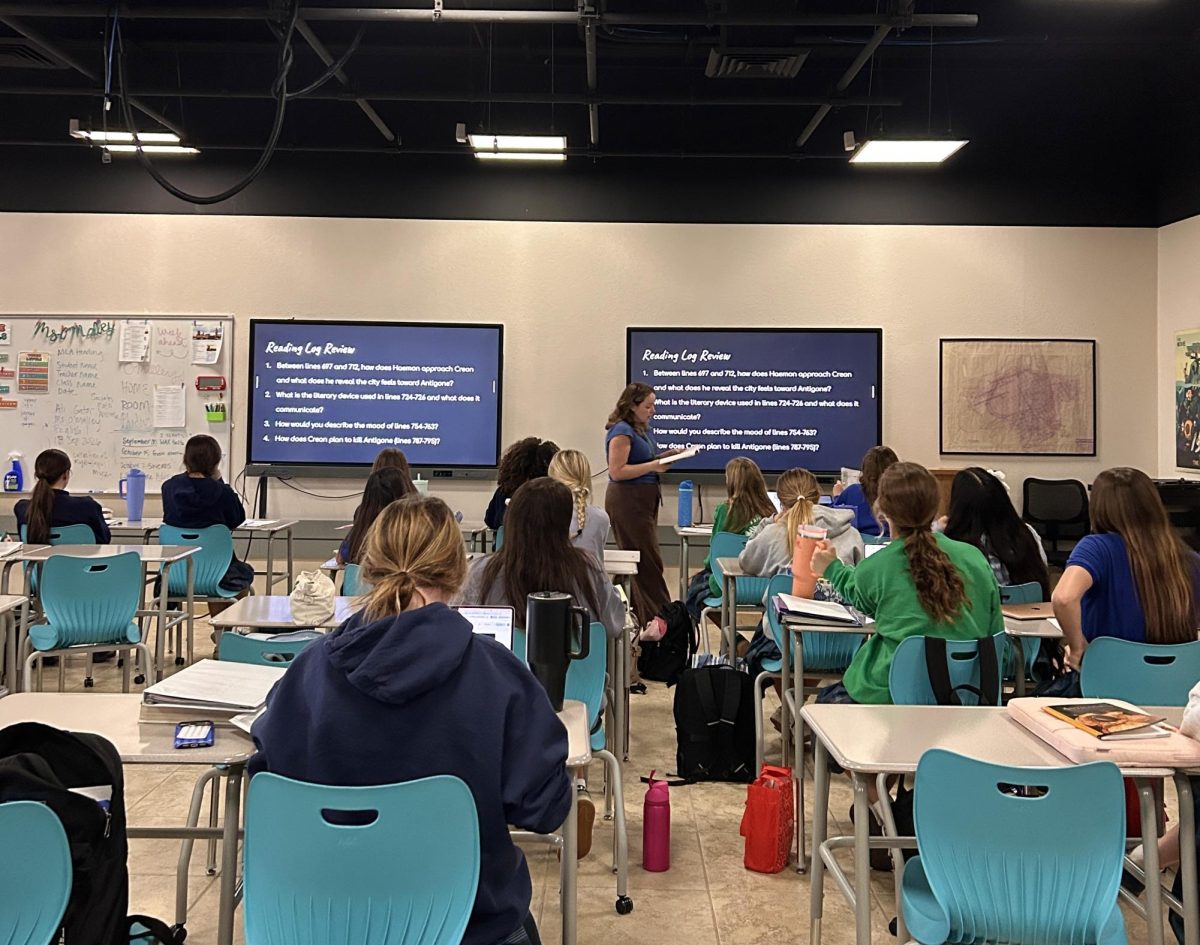
Lexie Rinaldi ‘13, who teaches the Personal and Family Finance class at Xavier, has witnessed a variety of students with different levels of financial knowledge. She notices students receive their advice from a variety of sources. “I think it would be a combination of parents and social media,” she said.
While asking a parent for guidance is for the most part trustworthy, resorting to social media can be misleading. Rinaldi emphasizes the risks of relying on social media, saying, “Influencers aren’t always to be trusted and podcasts can lead you astray.”
To bridge the gaps that parents may miss or social media sources may not address, Rinaldi aims to equip students with the financial knowledge they need.
“I try to focus on, in the finance class, teaching more of the skills, so that people can do that weeding out, because no one class is ever going to cover everything you should know to be adults,” Rinaldi said.
Annie Quan ‘27 is a senior at Xavier who took Rinaldi’s finance course. Rinaldi claimed that she witnessed extreme growth in Quan’s financial literacy by the completion of the class.
Before taking the class, Quan stated that she had no previous knowledge on the intricacies of finances as an adult. “I had no education in, like, a mortgage or … down payments … or how much all that adds up.”
“I didn’t really have any background, but afterward I really felt inspired and motivated to save my money,” Quan said.
Quan has since applied what she learned in the classroom to her own financial habits. She shares her routine of saving money per paycheck she receives.
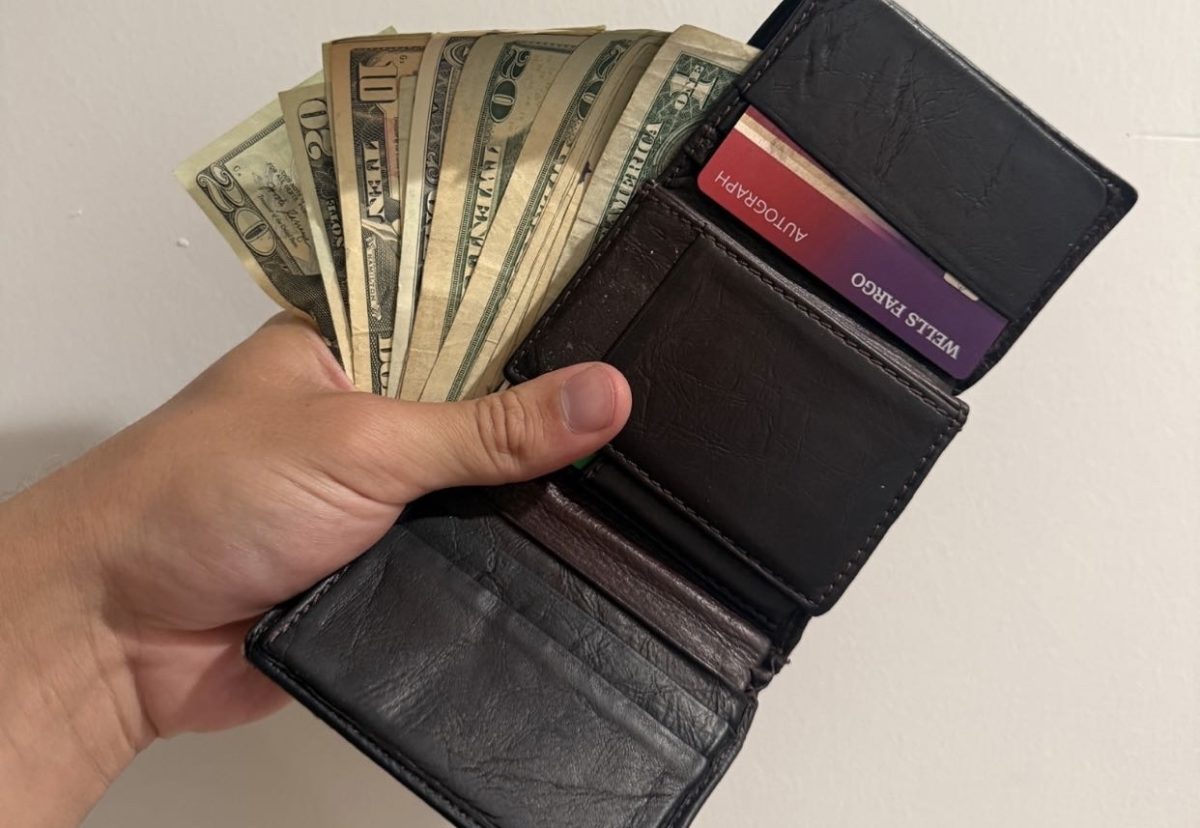
“When I get my paycheck every Friday, I’ll transfer $100 into my savings, and then I’ll keep $40 for spending that week,” Quan said. Any money left over by the following Friday is also put toward her savings.
Beyond saving, the course has made Quan more conscious of small purchases that eventually add up. From buying food while out with friends to stopping for a fun drink, she has learned to reconsider whether each purchase is necessary.
“It’s just little things that add up quickly,” Quan said. “I’ve noticed such a huge difference … in my bank account.”
For Quan, gaining financial independence has also come through having a job while in high school. She encourages other students to begin earning and managing their own money before graduating.
“I think it’s so important to have a job in high school, because from such a young age, you’re being taught … responsibility,” Quan said.
Although financial decisions become more complex after high school, developing good habits can begin with the choices students make now. Whether that means setting aside part of a paycheck, reconsidering an unnecessary purchase or asking a trusted adult for advice, learning to plan ahead can make a difference.
Melissa Peña, director of financial aid at Xavier, advises students, “Happiness isn’t having what you want; it’s wanting what you have. Be strategic with your money and take advantage of the resources and organizations available to help you make the most of your financial opportunities.”