



Mental health is an integral part of each person’s overall well-being. Without maintaining the health of the mind, it can become difficult to manage stress, stay motivated and balance life as a whole.
According to a 2024 report from the Centers for Disease Control and Prevention, 58.5% of teenagers reported always or usually receiving the social and emotional support they needed in 2021–2022. That means that 41.5% – nearly half of the teenagers surveyed – did not consistently receive support, highlighting the importance of finding outlets to sustain mental health.
Kathleen MacLeod-Ryan, Xavier’s behavioral health therapist, emphasizes the benefit that creative hobbies can have on mental health.
“Creative hobbies can give you an outlet to express things that are difficult for you to talk about,” MacLeod-Ryan said.
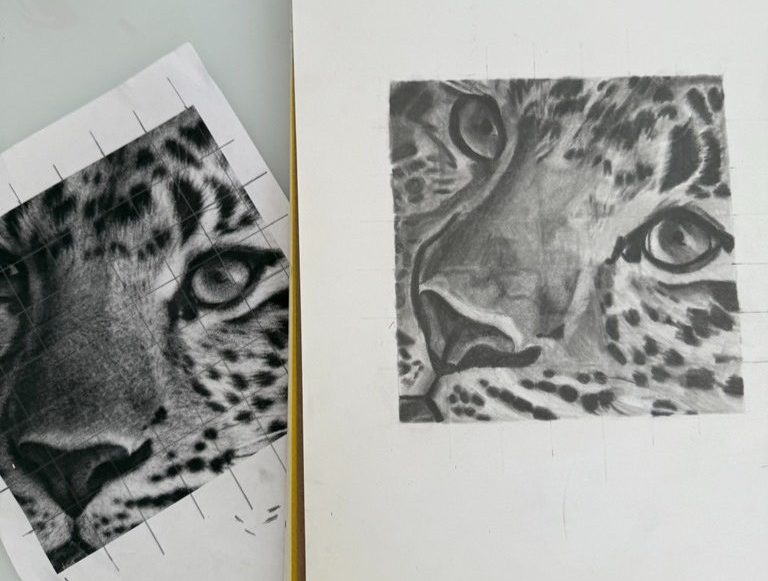
By finding a hobby, whether it be painting, journaling, photography, crocheting, pottery or something else entirely, one is able to express challenging feelings into a creative outlet, allowing a person to process and work through emotions more effectively.
Olivia Long ‘06, AP Psychology teacher, agrees with MacLeod-Ryan’s perspective on the importance of emotional expression. “When we are able to express how we are feeling through words or any type of creative endeavor, we are less likely to become overwhelmed by that emotion,” she said.
In addition to the benefit of emotional regulation, MacLeod-Ryan explains how creative hobbies can be an outlet for repetitive and stressful thoughts.
Engaging the mind and hands in another activity can help interrupt anxious thinking and ultimately “break that cycle,” according to MacLeod-Ryan.
Long adds that “engaging in creative hobbies is associated with lower cortisol levels (lower stress) and higher levels of flourishing.”
Both MacLeod-Ryan and Long find a similar consensus on how teenagers can better access emotional support. By finding an outlet that an individual may be drawn to, she can support herself through the emotional regulation and stress-reducing benefits it provides.
Teenagers and students often face the pressure to excel – stress with deadlines and grades – and are constantly surrounded by expectations. Creative hobbies offer a separate space that distracts one from these outside stressors.
The process of finding an outlet is personal with purpose. Although one may not enjoy the intricacies of drawing, he or she may enjoy the details involved in embroidery.
Once an individual has discovered the creative hobby he is passionate about, consistently practicing it can blossom into a healthy habit.
“When you have something like that, a behavior that’s beneficial, when you do it long enough and you start to feel the benefits of it, it becomes a habit,” MacLeod-Ryan said.
Ultimately, creative hobbies do not have to be complicated or perfected to become a meaningful part of one’s routine.
“Find a creative hobby that genuinely interests you, be kind to yourself, and have fun,” Long said. “It may end up benefiting you in unexpected ways.”