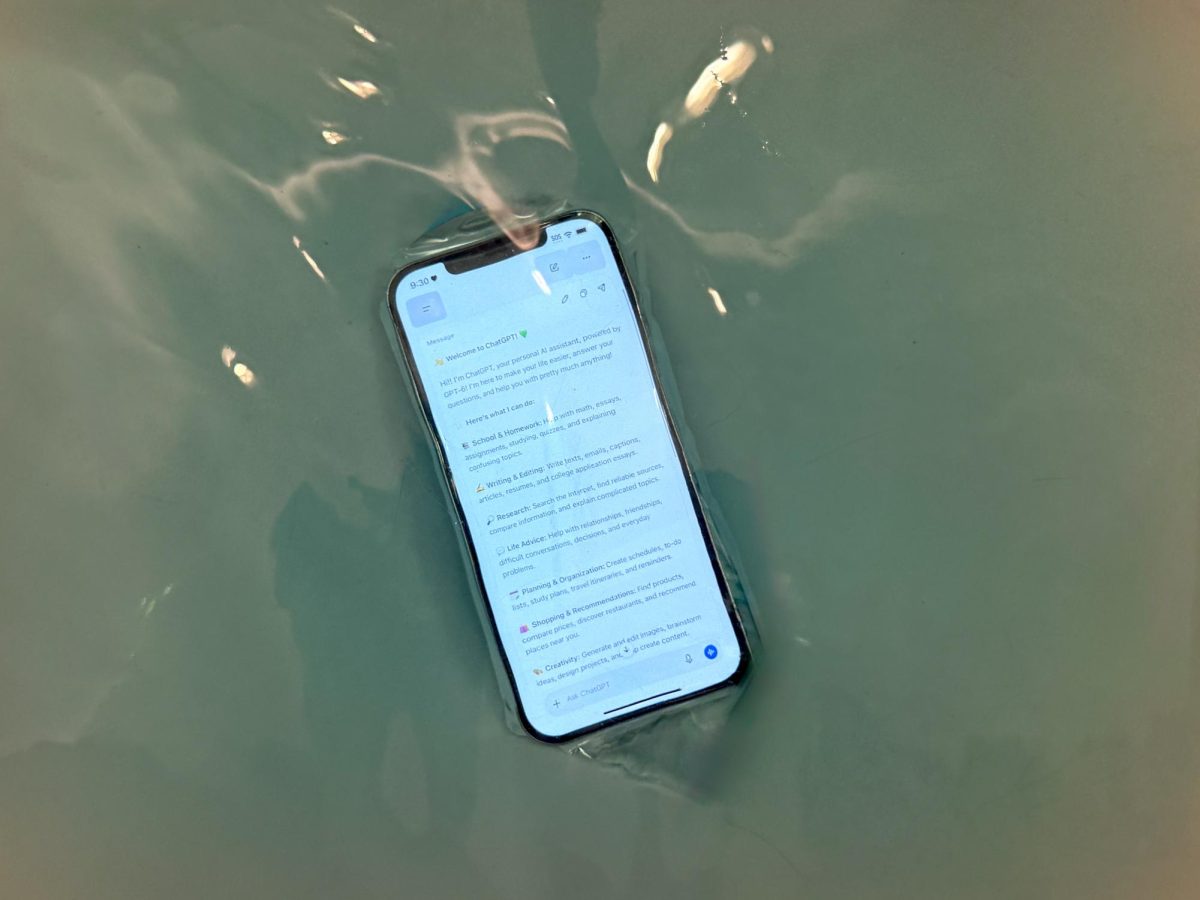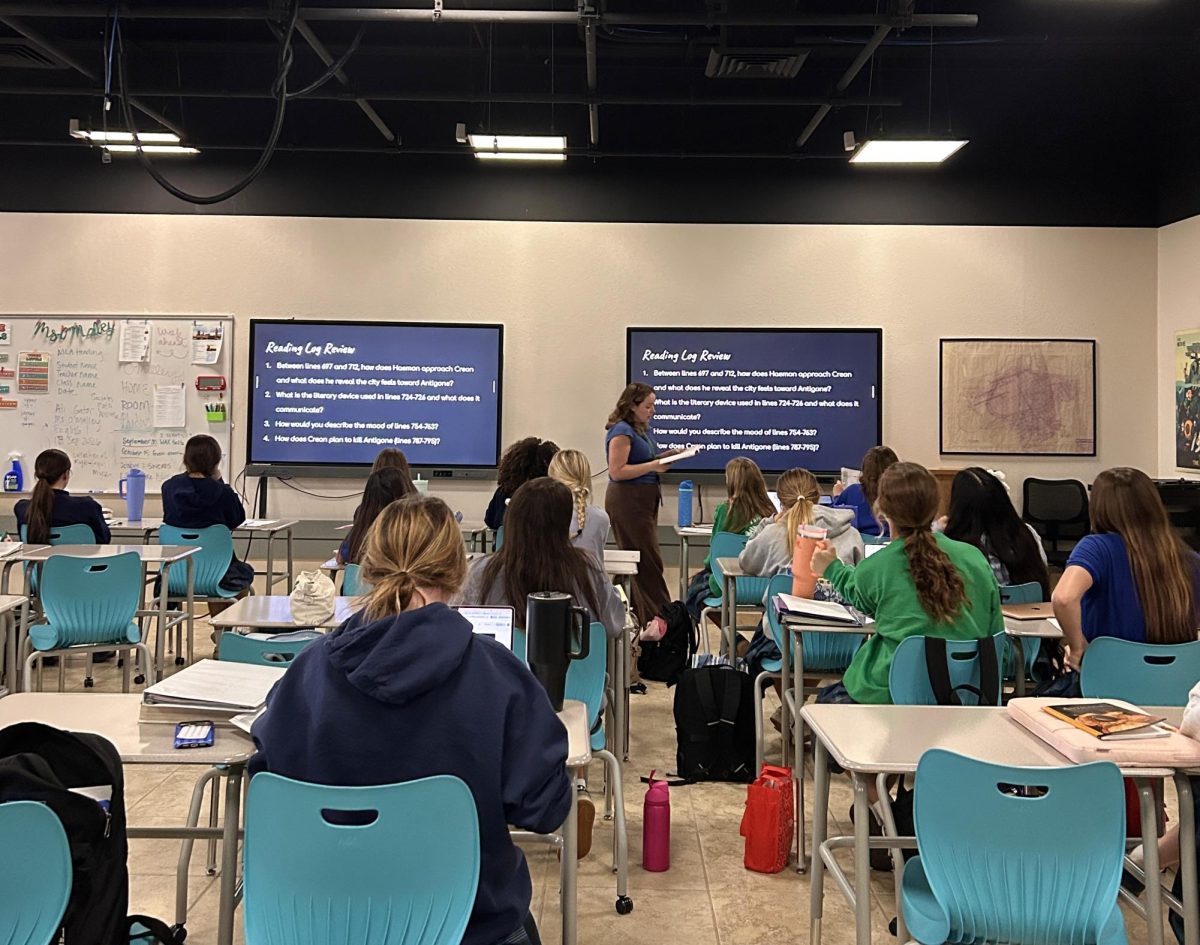




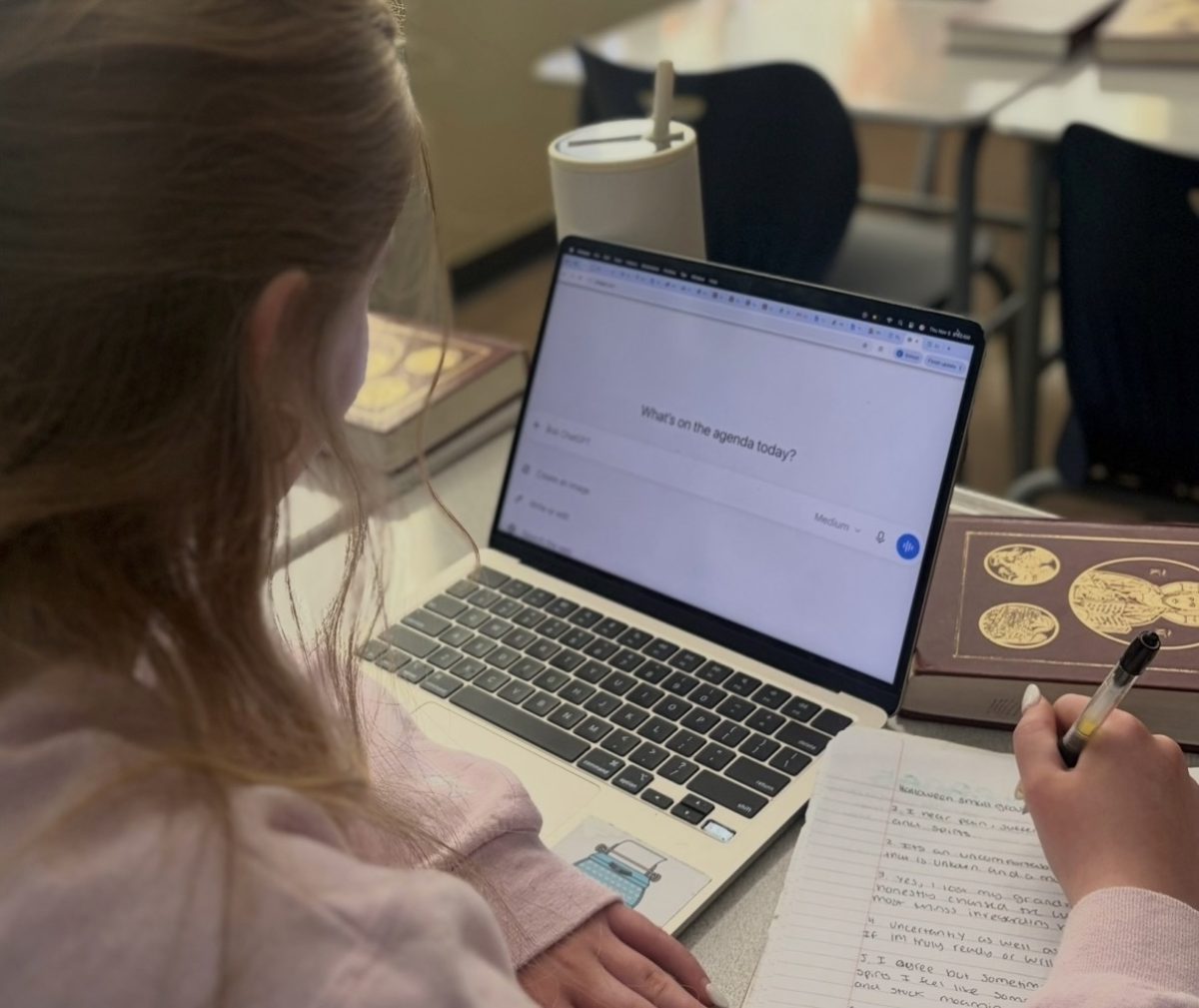
From generating flashcards to explaining difficult concepts, artificial intelligence has become an increasingly popular tool used by students worldwide, changing education forever. Students and teachers have been discovering their own opinions and perspectives on AI.
With the emergence of AI, the education system has had to learn to navigate its inevitable incorporation.
Xavier is well-known for its rigorous academic curriculum and high expectations. While the academics are beneficial, they can be overwhelming and AI can be a tool to help struggling students. AI can help students in multiple aspects, like helping with study, explaining concepts in different ways and organizing thoughts and assignments.
Victor Rinaldi, computer programming teacher at Xavier, is well-versed and educated on the topic of AI. “AI, like the Internet, is a tool, and it can be used to accelerate learning if used properly when students have the opportunity to be trained in how to use it,” Rinaldi said.
AI can improve and expedite learning. Rather than replacing traditional learning, it can prove to be an additional resource that helps students develop better understandings of topics and create new skills.
Exams at Xavier can be challenging, and an overwhelming part of testing is studying. AI can help organize information and generate quizzes or flashcards. Many students use these techniques to assist them in their endeavors.
Mae Rawls ’29 shared that AI helps her with organizing her study material. “You can put in a study guide that a teacher’s given you, and it will generate flashcards for you that you can put into a Quizlet.”
While students use AI to help with schoolwork, educators also see opportunities for the technology to provide feedback and additional explanations.
AP Seminar teacher Claire Yablong believes AI can be used by teachers to become more educated on unfamiliar topics as well as strengthen understanding of already-learned concepts. Yablong has been using ChatGPTZero to check how students created documents.
“It’s a tool, and how you use it is important,” Yablong said. “And we can’t ignore it because it’s there and it’s free and it’s easy.”
Rather than using AI to complete assignments, Yablong encourages students to use it to become more well-versed and to deepen their knowledge of a concept. For example, instead of having AI complete their math homework, students can use it to walk them through the steps and help them gain a better understanding of the lesson.
The convenience and easy access of AI can cause concerns about students becoming too reliant on technology. Rinaldi warned that when students don’t learn the topic first but reach straight for the answers instead, they might miss important steps of the learning process.
“If you start learning a concept from the get-go with AI, it’s easy to be tempted to pick up on something and rush straight ahead to the answer instead of walking through the step-by-step process,” Rinaldi said.
Even beyond the classroom, AI changes so much in professions, routines and everyday thinking. Ryan Rinaldi, a cybersecurity employee at OpenAI and cousin of Victor Rinaldi, perceives AI as a way to achieve more in less time.
“I use these tools to automate tedious, repetitive work so I can spend more of my attention on difficult decisions, on designing systems and on work that depends on human judgment and taste,” Ryan Rinaldi said.
Even though AI helps with the less important tasks and can simplify work, Ryan Rinaldi believes that it’s important that people do not become too dependent on AI.
Yablong believes that despite AI’s growing capabilities, human understanding remains essential and cannot be substituted. “I think one misconception is that it’s going to replace more of us than it is,” Yablong said.
As artificial intelligence continues to grow, its place in the classroom will continue to remain a topic of discussion. For everyone, the challenge is not whether or not to use AI, it’s finding the correct balance so it strengthens learning without replacing classrooms.